

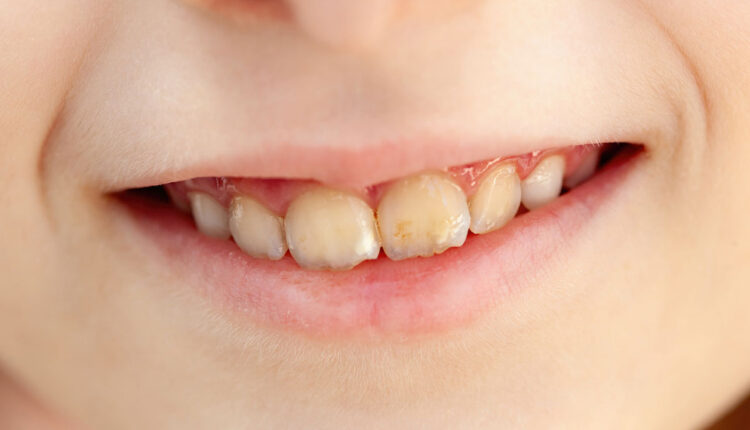
Understanding the Rise of Molar Incisor Hypomineralization
Affecting up to one in four children, molar incisor hypomineralization is emerging as one of the most prevalent developmental dental conditions, leaving permanent teeth vulnerable to sensitivity, breakdown, and restorative challenges.
For many oral health professionals, a familiar clinical scenario is becoming increasingly common: a child presents with newly erupted permanent molars or incisors that appear yellow, brown, or chalky white, accompanied by significant sensitivity and rapid enamel breakdown. While these signs may initially resemble caries or poor oral hygiene, the underlying cause may be molar incisor hypomineralization (MIH), a developmental enamel defect that is gaining greater recognition worldwide.
MIH affects the quality of enamel formation in permanent first molars and frequently the permanent incisors. Unlike dental caries, MIH is not caused by dietary habits, inadequate oral hygiene, or bacterial activity. Instead, the condition develops during the critical period of enamel formation, typically from birth through the first few years of life. Disruptions during this developmental window can result in enamel that is softer, more porous, and significantly more susceptible to fracture and sensitivity.
Current estimates suggest MIH affects approximately 20% to 30% of children in some regions, making it nearly as common as dental caries. Despite its prevalence, the condition remains underrecognized and is frequently misdiagnosed. As awareness grows, clinicians are identifying increasing numbers of affected patients in both general and pediatric dental practices.
Although researchers have not identified a single cause, several factors have been associated with MIH development. These include early childhood illnesses accompanied by high fever, recurrent infections, prolonged antibiotic use, pregnancy and birth complications, environmental exposures, nutritional deficiencies, and genetic susceptibility. The multifactorial nature of MIH has made determining its exact etiology particularly challenging.
Early recognition is critical. Children with MIH often experience significant hypersensitivity, making oral hygiene difficult and increasing their risk for plaque accumulation and caries. Management depends on severity and may include fluoride therapies, sealants, restorative treatment, stainless steel crowns, or, in severe cases, extraction and orthodontic planning.
As research continues to investigate the causes and prevalence of MIH, oral health professionals must remain vigilant in identifying affected patients and educating families. Click here to read more.