

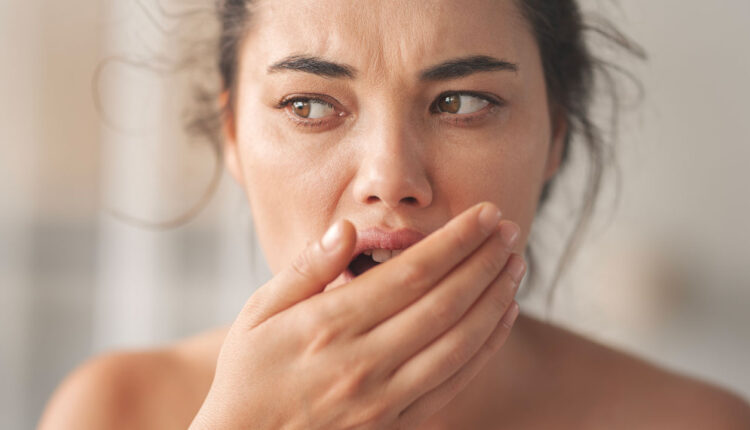
Could Oral Microbiome Transplants Be the Future of Oral Malodor Treatment?
Researchers are testing whether transferring healthy oral bacteria from donors can rebalance the oral microbiome and provide a breakthrough treatment for chronic oral malodor.
For decades, chronic oral malodor has been treated by targeting the symptoms, such as tongue coatings, periodontal pathogens, and odor-producing bacteria. Now, researchers at the University of Washington School of Dentistry in Seattle are exploring a radically different approach: replacing the entire microbial ecosystem responsible for bad breath.
The pioneering clinical trial investigates whether oral microbiome transplants can restore balance in patients with chronic oral malodor. The concept mirrors the success of fecal microbiota transplants used to treat gastrointestinal disorders but applies the strategy to the oral cavity.
Researchers begin by screening healthy donors through comprehensive periodontal examinations. Oral microorganisms are then collected and suspended in saline. Before receiving the transplant, patients undergo deep debridement to disrupt existing biofilms and reduce populations of odor-causing anaerobic bacteria. The donor microbiota is then introduced through a rinse and concentrated delivery into the gingival sulcus.
The goal is to establish a healthier microbial community capable of outcompeting the bacteria associated with malodor. Investigators believe that if beneficial organisms successfully colonize the oral environment, they may create a more stable and health-promoting biofilm.
Although only a handful of transplants have been completed so far, the research could open a new frontier in oral medicine. If successful, microbiome transplantation may eventually offer clinicians a biologically driven treatment option for patients whose chronic oral malodor has proven resistant to conventional therapies. Click here to read more.