
The Hidden Readiness Threat in a Toothache
As military dental resources shrink, experts warn that failing to account for dental emergencies could leave service members unable to eat, train, or perform their missions.
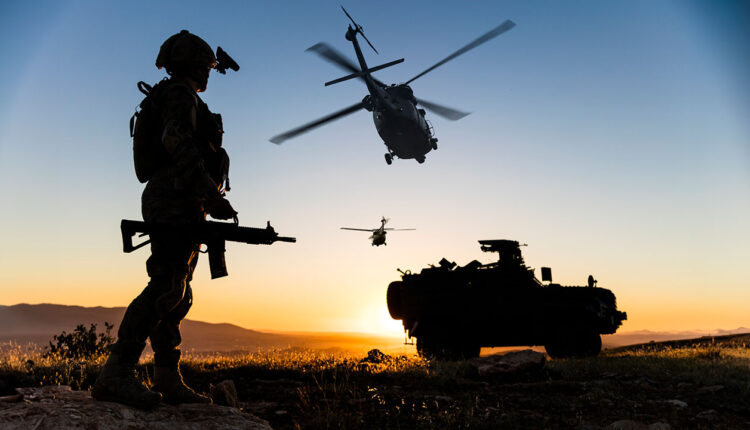
As the United States military prepares for large-scale combat operations, several US Army dentists note that something as simple as a toothache could dramatically impact soldier readiness. In “Hidden Casualty Load,” published in Military Review, the authors sound the alarm regarding risk of soldiers being sidelined on the battlefield due to dental emergencies.
Traditionally, the US military has not included oral health problems in its disease and nonbattle injuries assessment, which is used during warfighter exercises to provide an estimate on an operation’s medical, triage, and evacuation needs. However, dental emergencies are often the cause of soldiers being deemed “nonmission-capable.” This designation is given when service members experience an issue that interferes with their mission readiness, operational capability, and the ability to perform activities of daily living.
While oral health issues can typically be quickly addressed by dental providers, ongoing reductions in military dental staffing threaten the ability to provide timely dental care and could increase the burden of dental emergencies. Under the Army Structure Memorandum for Fiscal Years 2025–2029, one level of dental support will be eliminated, while the number of active-duty dental units providing care to larger military formations will be significantly reduced. These cuts could increase the risk of untreated dental emergencies, limit access to care, and reduce training opportunities for dental teams. With fewer dental resources available, more service members will likely rely on smaller, frontline medical units for dental care, increasing demand on already limited resources.
The authors encourage the military to include dental health issues in its disease and nonbattle injuries assessment in order to make evidence-based decisions regarding dental team staffing.
The bottom line is if soldiers can’t eat, can’t hold a weapon, or can’t meet the required physical demands due to a dental emergency, the operation and their fellow service members are at risk. Click here to read more.