
Why Every Dental Practice Needs an Infection Control Champion
A recent Canadian patient recall underscores that even a low-risk exposure can have significant consequences, reinforcing the need for strict adherence to CDC and OSHA infection control protocols and dedicated oversight within every dental practice.
A recent infection control investigation involving a Canadian dental practice serves as a powerful reminder that effective sterilization is about far more than regulatory compliance, it is fundamental to patient safety and professional trust. Following the discovery of multiple sterilization and disinfection lapses, nearly 900 former patients were advised to undergo testing for hepatitis B, hepatitis C, and human immunodeficiency virus. Although public health officials report that the overall risk of transmission remains low and no infections have been linked to the practice, the patient recall highlights the far-reaching consequences of infection control failures.
For dental professionals, the lesson extends beyond instrument processing. Every member of the clinical team must consistently follow established United States Centers for Disease Control and Prevention (CDC) infection prevention recommendations and the Occupational Safety and Health Administration’s (OSHA) Bloodborne Pathogens Standard, ensuring that sterilization, documentation, biological monitoring, equipment maintenance, and staff training are performed exactly as required.
One of the most effective ways to strengthen compliance is by appointing an infection control coordinator. This individual oversees written protocols, monitors sterilization records, conducts routine audits, ensures team training remains current, and identifies potential breakdowns before they become serious problems. Having a designated leader also promotes accountability and fosters a culture in which every team member understands that infection prevention is a shared responsibility.
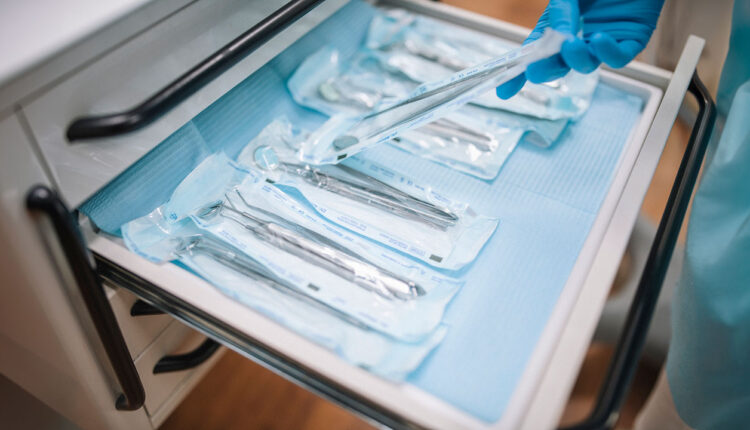
Practices should also perform regular reviews of instrument reprocessing workflows, verify that sterilizers are functioning properly, document biological indicator testing, and maintain clear records of corrective actions whenever a problem is identified. Internal mock inspections can uncover vulnerabilities long before an outside regulator or public health agency does.
Patients place extraordinary trust in dental teams every day. Maintaining rigorous infection prevention protocols protects that trust while safeguarding the health of patients, staff, and the practice itself. Click here to read more.