
Dental Team Crafts Custom Prosthetic Beak for Injured Toucan
Using techniques and materials familiar to oral health professionals, a multidisciplinary team restored function and quality of life for a young green aracari with a custom-made prosthetic beak.
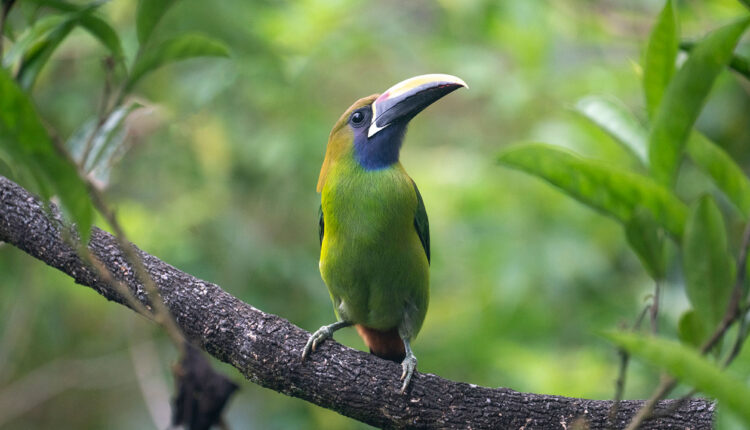
Dental materials and prosthetic expertise recently found an unexpected application in wildlife care when specialists from the University of Alabama at Birmingham (UAB) School of Dentistry partnered with the Birmingham Zoo to create a custom prosthetic beak for an injured green aracari named Beauregard.
A member of the toucan family, Beauregard sustained damage to his upper beak, or rhinotheca, at approximately 3 months of age, resulting in the loss of part of his upper mandible. The injury affected his ability to eat and perform normal daily activities.
To address the challenge, veterinary specialists collaborated with a UAB dental prosthetist Chris Seidenfaden, maxillofacial prosthodontist Michael Kase, DMD, and oral surgeon Jay Ponto, MD, DDS. The team used dental impression materials to capture a mold of the bird’s beak and created a detailed model with a dental articulator, a device commonly used in the fabrication of crowns, dentures, and other oral prostheses.
The resulting lightweight prosthetic was carefully designed to restore function without interfering with the bird’s flight or mobility. The team also replicated the natural appearance of the beak, considering the bird’s ability to perceive a broad spectrum of colors.
Now 11 months old, Beauregard has adapted well to the prosthesis and is reportedly eating, flying, socializing, and interacting normally. The case demonstrates how principles of prosthodontics and maxillofacial rehabilitation can be applied beyond human healthcare, highlighting the versatility of dental technology and the value of interdisciplinary collaboration. Click here to read more.