
The Cross-Border Dental Boom Is Reshaping US Practice Economics
1.3 million Americans went to Mexico for care. Here’s why oral health professionals should be paying attention.
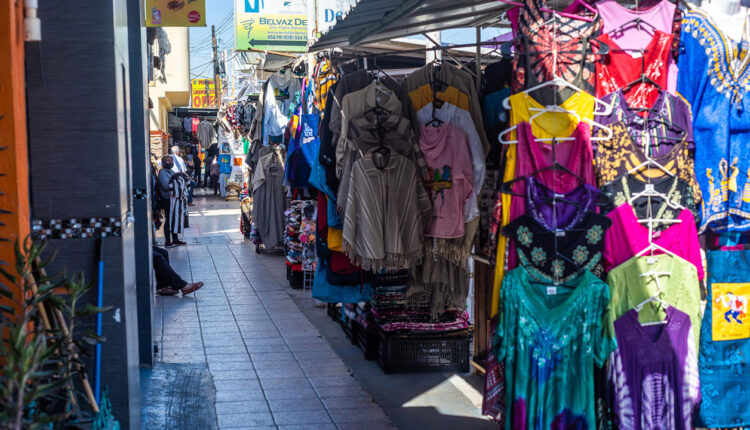
Roughly 3 hours southwest of Phoenix, the small border town of Los Algodones, Mexico, population 5,000, has become a powerful symbol of shifting patient behavior. Nicknamed “Molar City,” the town is home to hundreds of dental clinics concentrated within walking distance of the United States border, all catering largely to Americans.
In 2025, more than 1.3 million Americans traveled to Mexico for medical, dental, or specialized care, a number expected to rise as US insurance premiums continue to increase sharply. For many patients, the math is compelling. Full-arch restorations, crowns, and cosmetic cases that can cost tens of thousands of dollars in the US are often priced at a fraction of that amount across the border.
Prescription medications are another draw, with some generics available at dramatically lower prices. For patients facing high deductibles, annual maximums, or limited coverage, cross-border dentistry is framed not as elective travel, but as financial necessity.
However, the migration raises complex clinical and legal considerations. Patients returning home after extensive treatment may have limited recourse if complications arise. Continuity of care, documentation standards, material verification, and regulatory oversight can vary. US oral health professionals are often left managing post-operative complications without clear treatment records. At the same time, many clinics in Los Algodones promote modern facilities and internationally trained providers, positioning themselves as viable alternatives rather than budget outliers. Click here to read more.