

Recognizing Atypical Oral Lichen Planus
From unusual locations and pigmentation to asymmetrical presentations, understanding the clinical variations of oral lichen planus is essential for accurate diagnosis, biopsy, and ongoing surveillance.
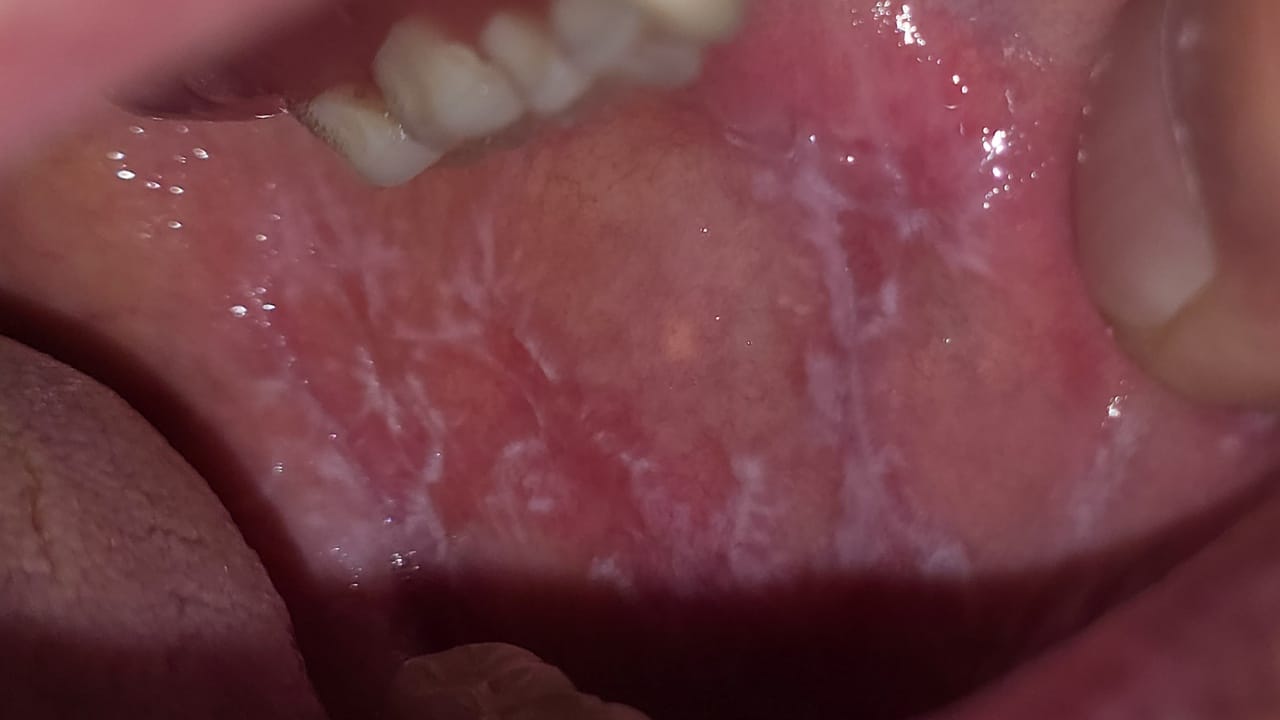
Which clinical feature is considered pathognomonic of reticular oral lichen planus (OLP)?
 Dr Derma / iStock / Getty Images Plus
Correct!
Wrong!
Wickham striae are the characteristic lattice-like white lines seen in reticular OLP, the most common clinical form of the disease.
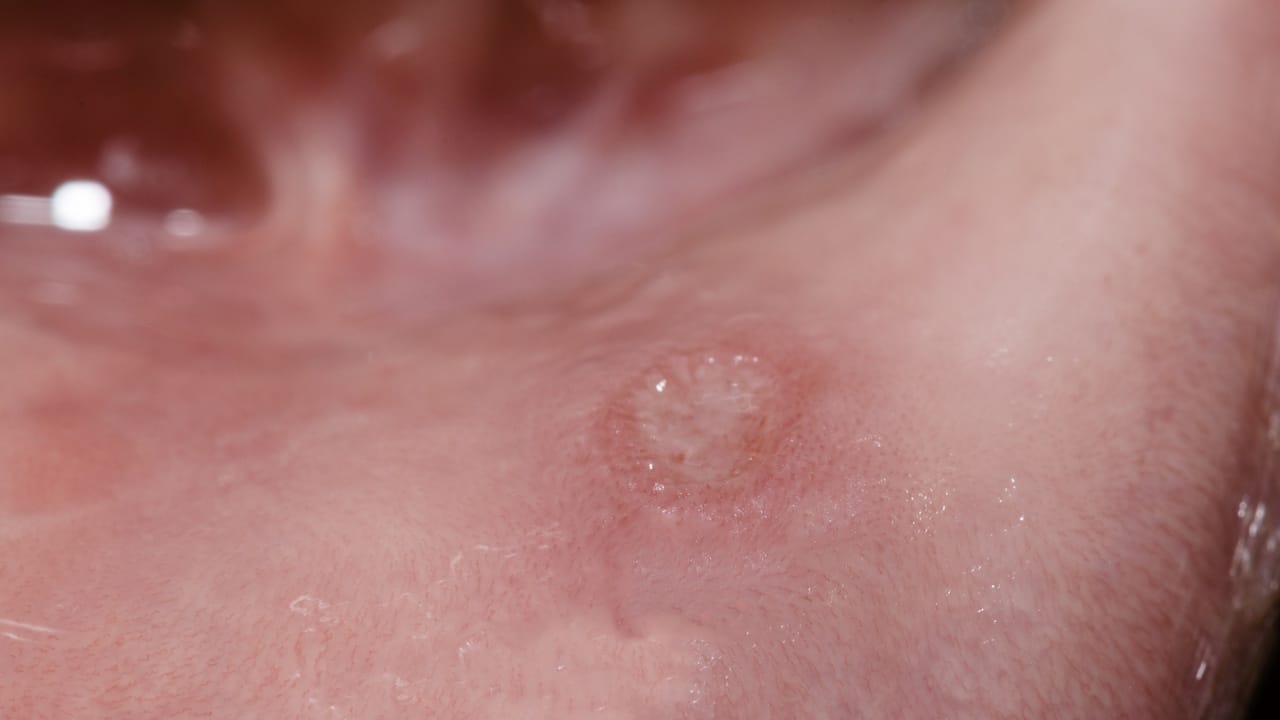
Which form of oral lichen planus is most often associated with burning pain and has the highest risk of malignant transformation?
 pinglabel / iStock / Getty Images Plus
Correct!
Wrong!
Erosive OLP is associated with symptomatic burning and has the highest reported risk of malignant transformation among the OLP forms. These lesions require close monitoring and follow-up.
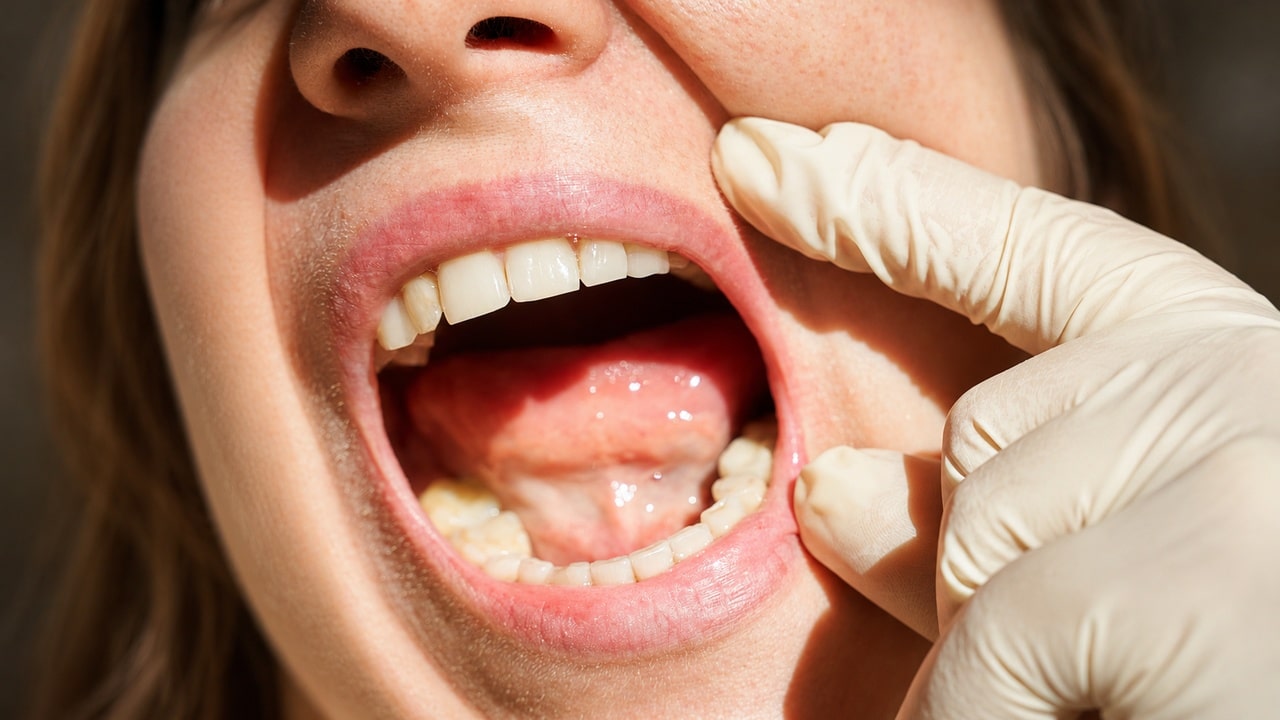
Which of the following is recommended when a patient presents with suspected OLP lesions?
 Elena Safonova / iStock / Getty Images Plus
Correct!
Wrong!
Biopsy is advised for suspected OLP and lichenoid-type lesions to rule out dysplasia or other potentially malignant conditions. Ongoing monitoring, oral cancer examinations, and repeat biopsies when indicated are important because lesions may change over time.
Recognizing Atypical Oral Lichen Planus
Congratulations, you scored 100%! You really know your stuff.