

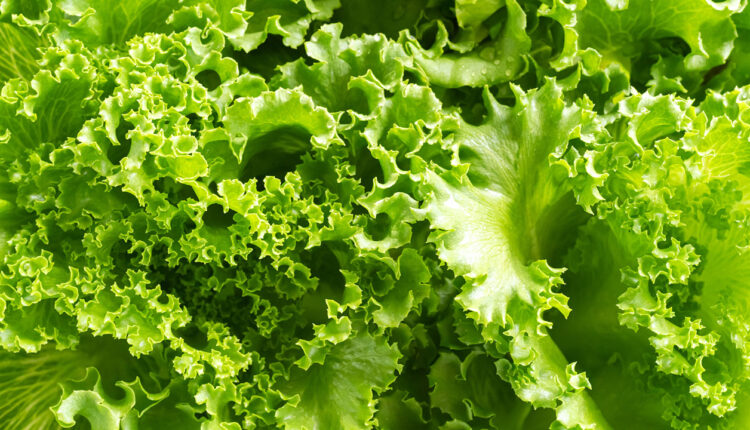
Lettuce-Based Delivery Could Change How GLP-1 Drugs Reach Patients
Researchers are exploring whether obesity and diabetes medications currently delivered by injection could someday be taken orally using plant-based technology. Early findings suggest genetically engineered lettuce cells may protect GLP-1 drugs through digestion, potentially lowering costs and improving patient acceptance.
Few medications have captured public attention as quickly as glucagon-like peptide-1 (GLP-1) receptor agonists. Originally approved to treat type 2 diabetes, these drugs are now widely recognized for their role in weight management, helping regulate blood glucose while reducing appetite, and slowing gastric emptying.
Despite their success, several barriers remain. Most GLP-1 therapies must be delivered by injection, which can discourage some patients. Manufacturing complexity, high costs, and side effects, such as nausea, also limit access, particularly in lower-resource settings.
New research led by Henry Daniell, PhD, at the University of Pennsylvania School of Dental Medicine explores a surprising alternative: delivering GLP-1 drugs orally using plant cells.
The work, published in Plant Biotechnology Journal, investigates whether lettuce chloroplasts can be genetically engineered to produce two established GLP-1 medications, exenatide and lixisenatide. The concept is simple but clever. Plant cells can act as natural capsules, protecting delicate peptide drugs from degradation in the stomach. Once these cells reach the gut, bacteria break down the plant cell walls, releasing the therapeutic peptides where they can be absorbed.
This plant-based production method could also simplify manufacturing. Traditional peptide drugs often require complex chemical modifications to remain stable and functional. In contrast, chloroplasts naturally perform many of these modifications, potentially reducing both production steps and overall cost. While the lettuce-based approach remains in early stages, researchers are now working to scale production and prepare material for clinical trials. If successful, the future of obesity and diabetes therapy might not involve a syringe at all — just a carefully engineered leaf. Click here to read more.