


How Nutrition and Inflammation Drive Periodontal and Systemic Disease
Emerging evidence reveals that diet, immune modulation, and metabolic health are central to the bidirectional relationship between periodontal and systemic diseases.
PURCHASE COURSE
This course was published in the February/March 2026 issue and expires March 2029. The authors have no commercial conflicts of interest to disclose. This 2 credit hour self-study activity is electronically mediated.
This course was published in the February/March 2026 issue and expires March 2029. The authors have no commercial conflicts of interest to disclose. This 2 credit hour self-study activity is electronically mediated.
AGD Subject Code: 490
EDUCATIONAL OBJECTIVES
After reading this course, the participant should be able to:
- Explain the biological mechanisms linking periodontal inflammation with systemic conditions.
- Discuss the impact of dietary patterns, micronutrients, obesity, and pro-inflammatory diets on periodontal disease progression and systemic inflammatory burden.
- Integrate nutritional screening tools and interprofessional collaboration into periodontal care.
Periodontal diseases, a leading cause of tooth loss worldwide, are chronic, multifactorial inflammatory conditions that compromise the supporting structures of the teeth.1 Beyond the local implications of periodontal diseases, research increasingly highlights a close link between periodontal diseases and systemic conditions such as diabetes mellitus, cardiovascular disease, and hypertension.2 In the field of periodontal medicine, researchers have described how oral inflammation contributes to systemic health via shared biological pathways (especially chronic inflammation and immune dysregulation).3
Diabetes affects 21 million Americans, including more than 9% of adults.4 Approximately 6 million United States adults have the disease but remain undiagnosed.5 Increasing annually in the US, the prevalence of diabetes varies by age and racial category, and is more common among older adults, American Indian/Alaska Native populations, Hispanic individuals, and non-Hispanic Black people.
The incidence of diabetes is also increasing annually. In 2002, 1.3 million new cases of diabetes were diagnosed, an increase of 500,000 annually since 1998, when incidence stood at 800,000.5
The rise in prevalence and incidence of diabetes is directly related to increasing obesity rates in the US.5 Type 2 diabetes comprises about 85% to 90% of all diabetes diagnoses, whereas type 1 diabetes constitutes 5% to 10% of patients. Gestational diabetes and secondary forms of diabetes associated with other conditions, such as pancreatic disease, drug therapies, and endocrine disorders, account for the remainder of cases.6
One significant modifiable factor that affects both periodontal diseases and systemic health is nutrition. A patient’s diet plays a key role in regulating immune function, controlling inflammation, and shaping the oral microbiome.1 Studies suggest that deficiencies in key anti-inflammatory nutrients (vitamin D, antioxidants, and omega-3 fatty acids) weaken the host’s immune responses and delay periodontal healing.1,7 Moreover, diets high in refined sugars, processed foods, and pro-inflammatory fats are associated with worsening periodontal and systemic conditions.3,8
A cross-sectional study reported obesity and poor dietary habits as risk factors for periodontal diseases.7 These findings reinforce the conviction that nutrition is a common denominator influencing oral health and metabolic status.2 Therefore, understanding the complex interactions between diet, periodontal tissues, and systemic health is essential for advancing both preventive and therapeutic strategies in dentistry. Oral health professionals have a unique opportunity to assess patients’ nutritional habits and offer personalized recommendations to enhance their oral and overall health outcomes.
Nutrition and Immune Modulation
A bidirectional relationship exists between oral health and nutrition. On one hand, dietary choices influence the integrity of oral tissues, while on the other, the health of the oral cavity affects nutrient intake. Diets high in sugar significantly increase the risk of dental caries. Although the complex nature of periodontal diseases makes it challenging to pinpoint a direct correlation with diet, growing evidence suggests a strong connection. For instance, evidence shows that individuals adhering to a pro-inflammatory diet — high consumption of processed foods and added sugars — have a higher prevalence of periodontitis.3,7 Conversely, anti-inflammatory diets, such as the Mediterranean diet, are associated with better periodontal outcomes.
The OsteoPerio Study demonstrated that individuals adhering to high-quality dietary patterns (characterized by abundant intake of fruits, vegetables, whole grains, and lean proteins) exhibited significantly reduced risk of moderate to severe periodontitis. Importantly, these associations persisted after statistical adjustment for potential confounders, including age, smoking status, and body mass index, underscoring the independent influence of diet on periodontal health. This evidence substantially reinforces the conceptual framework that diet constitutes a critical and modifiable determinant in the pathogenesis and advancement of periodontal diseases.9,10
The progression of periodontal diseases is closely linked to the host’s susceptibility. In the early stages of lesions, the host releases pro-inflammatory cytokines, such as interleukin (IL)-1, IL-2, IL-4, and IL-8 and tumor necrosis factor-alpha (TNF-α), which contribute to irreversible clinical attachment loss and tissue breakdown.2,3,7,11
The systemic implications of oral inflammation highlight the importance of nutrition in modulating immune response.2,7 Studies show a significant association between periodontal disease and hypertension, with interactive effects involving smoking and age.2,7 Literature supports the need for interdisciplinary care to address systemic inflammation and reduce oral inflammatory burden.3,7,8 Oral health professionals can assess dietary habits and offer personalized guidance to lower periodontal disease risk.7 Interprofessional collaboration among dental providers, nutritionists, and medical professionals should be part of treatment planning to help control inflammation.7,8
Vitamin D and Dietary Patterns
Emerging evidence highlights the crucial role of diet and micronutrients in preventing and managing periodontal diseases.1,3,8 Because periodontal diseases are a host immune response to bacteria, vitamin D contributes to periodontal health by supporting bone metabolism and regulating host immune responses to oral pathogens.1
Maintaining adequate serum levels of vitamin D may reduce the risk and severity of periodontal diseases by decreasing inflammatory markers and enhancing the innate immune response.10,12 Similarly, the broader impact of dietary patterns on periodontal health has also been studied.3 Multiple cross-sectional studies revealed that individuals following a pro-inflammatory diet, characterized by high consumption of red meat, refined grains, and sugars, had significantly higher rates of periodontitis.3,9,10,12
In contrast, diets rich in fruits, vegetables, whole grains, and omega-3 fatty acids were associated with periodontal health.3,9,10 High consumption of vitamin D-rich foods is often associated with anti-inflammatory dietary patterns. An anti-inflammatory diet includes fatty fish and nutrient-rich products, suggesting a synergistic effect in diminishing periodontal inflammation. Evidence from clinical trials indicates that adherence to an anti-inflammatory dietary pattern can significantly reduce gingival inflammation and contribute to improved periodontal outcomes.3,9,10,13 This connection highlights the importance of comprehensive dietary assessments in dental settings.
Obesity and Metabolic Risk Factors
Beyond micronutrients, broader metabolic conditions, such as obesity, further illustrate the connection between systemic inflammation and oral health. The release of pro-inflammatory cytokines contributes to a chronic, low-grade inflammatory state. Individuals with obesity often exhibit poor dietary habits (rich in highly processed, pro-inflammatory foods) that further exacerbate periodontal tissue breakdown.7
Recent epidemiological findings demonstrate that individuals adhering to pro-inflammatory dietary patterns not only have higher rates of periodontitis but also tend to present with elevated body mass index. This supports the hypothesis that obesity mediates the relationship between dietary inflammation and periodontal risk.9,10,12,14 The combination of nutritional deficiencies, systemic inflammation, and immune dysregulation creates an oral environment that is detrimental for susceptible hosts. These findings emphasize the need for oral health professionals to consider patients’ metabolic status during the initial periodontal evaluation. An all-encompassing approach not only promotes periodontal health but also addresses broader public health concerns such as cardiovascular disease and diabetes.3
Diabetes and Periodontitis
The interplay between periodontal diseases and diabetes has long been recognized. Epidemiological studies and clinical trials reveal that patients with diabetes who have poor glycemic control are more likely to experience periodontitis than those with controlled diabetes or without the disease. Conversely, periodontitis negatively affects diabetes management.
Studies have also investigated the biological mechanisms that link both conditions.15 Periodontal pathogens can invade gingival epithelial cells, survive intracellularly, and alter immune responses, leading to immune evasion and systemic inflammation. Periodontitis compromises the oral epithelial barrier, allowing bacterial products and pro-inflammatory mediators into circulation.16 This systemic dissemination may exacerbate diabetes and cardiovascular disease. Recognizing this bidirectional relationship is essential for optimal patient care in clinical practice.17
Periodontitis and Hypertension
Research suggests a significant association between moderate to severe periodontitis and hypertension, independent of traditional risk factors including age, smoking, and obesity. This link is believed to arise from chronic periodontal inflammation, contributing to systemic endothelial dysfunction and arterial stiffness (key mechanisms that drive elevated blood pressure).2
These findings underscore the need for integrated care models that bridge the clinical gap between dentistry and general medicine.2 Oral health professionals should incorporate routine screening for hypertension risk factors. Additionally, they should collaborate with primary care providers to ensure comprehensive management of patients presenting with periodontal diseases. Providers should understand that the bidirectional relationship between periodontal health and hypertension can serve as a motivator for adherence to both oral hygiene and systemic health recommendations.2,18
Proper management of periodontal inflammation lowers hypertension progression and its cardiovascular sequelae. This highlights the value of periodontal therapy as part of a comprehensive approach to reducing systemic inflammatory burden.2 In practice, personalized treatment plans that address modifiable lifestyle factors, including smoking cessation, nutritional counseling, and weight management may help improve outcomes. By recognizing periodontal diseases as inflammatory markers, oral health professionals can take on a more proactive role in identifying individuals at risk. In turn, facilitating early interventions improves quality of life and reduces healthcare burdens for the patient.
Population-Based Care
Older adults face unique challenges related to oral health and nutrition, often due to natural aging processes that affect their ability to consume and/or maintain adequate nutrition.8,19 Factors, such as tooth loss, dry mouth, and decreased chewing efficiency, can impair food intake and lead to malnourishment. This nutritional deficiency may contribute to weakened immune function and a decline in general health. Early interventions would be beneficial for older adults in addressing this nutritional deficiency, particularly by providing dietary recommendations tailored to include softer, nutrient-dense foods in addition to thorough oral health evaluations.8,19 Managing these complex needs requires coordinated care among oral health professionals, geriatricians, dietitians, and caregivers.8
Effective strategies to reduce oral health disparities at the community level include nutrition education, access to whole foods, and culturally appropriate strategies to engage local populations effectively. These promote sustainable changes that help prevent oral diseases and improve overall nutrition by addressing broader social and environmental factors that influence diet and oral health. However, these efforts should be combined with proper clinical care that addresses the disease, not just its symptoms.
Dietary Inflammatory Screening Tool
The early identification of pro-inflammatory dietary habits enables patient-centered care and facilitates timely referral to nutrition specialists.3,7,8 To facilitate this approach, a simplified dietary inflammatory index (DII) screening tool can be employed in clinical settings. This tool evaluates patients’ frequency of intake of common pro- and anti-inflammatory foods.15,16 It allows clinicians to quickly identify individuals whose dietary patterns may contribute to heightened systemic and oral inflammation.15,16 The simplified DII screening consists of:20,21
- Pro-inflammatory foods include red and processed meats, refined grains, sugary beverages, fried foods, sweets, high-fat dairy, and trans fats.
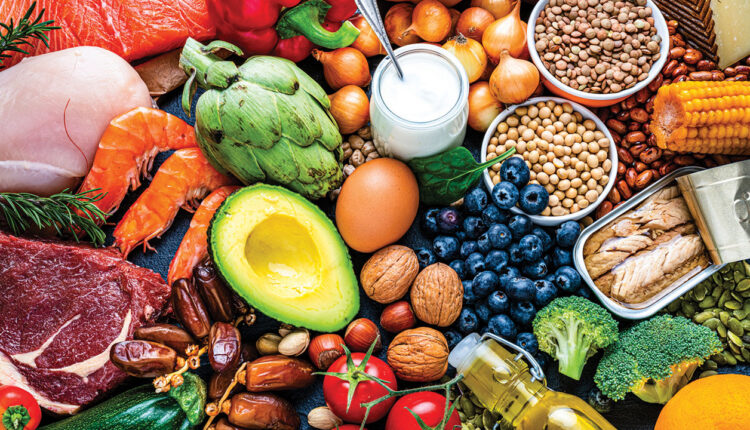
- Anti-inflammatory foods include leafy greens, fruits (especially berries and citrus), fatty fish rich in omega-3 fatty acids, nuts, olive oil, whole grains, and legumes.
Patients report their weekly consumption frequency of these food groups, and the responses are scored to estimate the overall inflammatory load. Higher scores indicate a predominantly pro-inflammatory diet, whereas lower scores suggest an anti-inflammatory dietary pattern.
Patients with elevated DII scores can be counseled on the benefits of adopting anti-inflammatory dietary habits to reduce periodontal inflammation and support systemic health.20,21 Oral health professionals can refer these patients for detailed nutritional assessment and personalized intervention. Integration of this screening into periodontal evaluations promotes a holistic, interdisciplinary approach that addresses modifiable lifestyle factors alongside conventional periodontal therapy.
A 2024 clinical trial validated the application of the DII in periodontal settings. The study demonstrated that individuals with high DII scores exhibited elevated clinical and molecular markers of gingival inflammation. Personalized nutritional counseling based on DII profiles led to measurable improvements in periodontal health, including reductions in inflammatory cytokines and changes in subgingival microbial composition.9,15,20
Conclusion
Evidence suggests that periodontal diseases extend beyond local oral pathology to influence systemic health. The two-way relationship between periodontal and systemic health underscores the importance of viewing oral health as an integral part of overall patient care.13
Dietary patterns lacking essential micronutrients promote inflammation both locally in the periodontium and systemically.3,9 Poor nutrition exacerbates inflammation, accelerating periodontal destruction and metabolic dysregulation.3 Obesity is linked with both periodontitis and systemic diseases, reinforcing shared pathophysiological mechanisms rooted in chronic inflammation.2 Although current literature identifies a strong association between nutrition and periodontal health, a significant gap remains. Periodontal medicine lacks well-designed randomized controlled trials evaluating the causality of anti-inflammatory vitamins or supplementation on healing. It remains unclear whether deficiencies in anti-inflammatory nutrients are causal or simply share risk factors with periodontal diseases. Accurate measurement of this relationship would help design effective interventions. Future research should explore the effects of these specific micronutrients on clinical periodontal outcomes.
There is a clear need for integrated healthcare approaches that dissolve traditional boundaries between medical and dental care. Early detection of systemic risk factors through routine screenings and comprehensive patient assessments is only achieved through interprofessional collaboration. Nutritional counseling embedded within dental visits offers a feasible strategy to address modifiable risk factors holistically.
Clinically, identifying periodontal diseases as indicators of systemic health status can lower patient risk and guide personalized treatment plans. For individuals with chronic conditions, effective periodontal therapy may not only preserve oral health but also contribute to better systemic disease management by reducing inflammatory markers and improving clinical outcomes.2
Empowering patients through in-office education about the significant connections between oral hygiene, diet, lifestyle, and overall health is a crucial component in adherence to this positive lifestyle. As the link between nutrition and inflammation becomes evident, integrating dietary considerations into periodontal care is necessary. A deeper understanding of this connection offers a critical opportunity to shift from reactive treatment to proactive care that addresses the root causes of disease. Informed behavioral changes foster the patient’s adherence to treatment and mitigate disease progression across all domains.
References
- Grant WB, van Amerongen BM, Boucher BJ. Periodontal disease and other adverse health outcomes share risk factors, including dietary factors and vitamin D status. Nutrients. 2023;15:2787.
- Li Y, Yuan X, Zheng Q, et al. The association of periodontal disease and oral health with hypertension, NHANES 2009–2018. BMC Public Health. 2023;23:16012.
- Altun E, Walther C, Borof K, et al. Association between dietary pattern and periodontitis—A cross-sectional study. Nutrients. 2021;13:4167.
- Mokdad AH, Ford ES, Bowman BA, et al. The continuing increase of diabetes in the U.S. Diabetes Care. 2001;24:412.
- United States Centers for Disease Control and Prevention. National Diabetes Fact Sheet. Available at cdc.gov/diabetes/pubs/estimates.htm. Accessed February 18, 2026.
- Mealey BL, Oates TW. Diabetes mellitus and periodontal diseases. J Periodontol. 2006;77:1289-1303.
- Liu L, Xia LY, Gao YJ, et al. Association between obesity and periodontitis in US adults: NHANES 2011–2014. Obes Facts. 2023;17:47-58.
- Chan AKY, Tsang YC, Lo ECM, et al. Diet, nutrition, and oral health in older adults: a review of the literature. Dent J (Basel). 2023;11:222.
- Yue Y, Hovey KM, LaMonte MJ, Wactawski-Wende J, Andrews CA, Millen AE. Association between dietary patterns and periodontal disease: the OsteoPerio Cohort Study. J Periodontol. 2023;94:622-634.
- Reis C, Serrano HM, Marques FM, et al. Impact of dietary inflammatory index on gingival health: a randomized clinical trial with clinical, microbial, and cytokine assessments. J Periodontol. 2024;95:95-104.
- Newman MG, Takei H, Klokkevold PR, Carranza FA. Carranza’s Clinical Periodontology. 14th ed. New York: Elsevier; 2021.
- Dietrich T, Nunn M, Dawson-Hughes B, Bischoff-Ferrari HA. Association between serum concentrations of 25-hydroxyvitamin D and gingival inflammation. J Periodontol. 2005;76:1914-1920.
- Woelber JP, Tennert C, Bremer K, et al. Influence of an anti-inflammatory diet on gingivitis. J Clin Periodontol. 2019;46:270-280
- Alhassani AA, Hu FB, Li Y, et al. The associations between major dietary patterns and risk of periodontitis. J Clin Periodontol. 2021;48:2–14.
- Polak D, Shapira L. An update on the evidence for pathogenic mechanisms that may link periodontitis and diabetes. J Clin Periodontol. 2018;45:150-166.
- Taylor JJ, Preshaw PM, Lalla E. A review of the evidence for pathogenic mechanisms that may link periodontitis and diabetes. J Clin Periodontol. 2013;40 Suppl 14:S113-134.
- Kudiyirickal MG, Pappachan JM. Periodontitis: An often-neglected complication of diabetes. World J Diabetes. 2024;15:318-325.
- American Dental Association. Nutrition and Oral Health. Available at ada.org/resources/ada-library/oral-health-topics/nutrition-and-oral-health. Accessed February 18, 2026.
- Wang ML, Minyé HM, Egan KA, Heaton B. Community-based sugar-sweetened beverage intervention associated with short-term improvements in self-rated oral health. Community Dent Oral Epidemiol. 2021;49:533-540.
- Pan W, Feng J. The impact of low dietary inflammatory index diet on clinical parameters in patients with chronic kidney disease: a retrospective comparative study. J Inflamm Res. 2023;16:4943-4954.
- Marx W, Veronese N, Kelly JT, et al. The dietary inflammatory index and human health: an umbrella review of meta-analyses of observational studies. Adv Nutr. 2021;12:1334–1348.
From Decisions in Dentistry. February/March 2026;12(1):32-35.